
How to Build a Frost-Proof Jungle Garden in the UK
Why You Do Not Need the Tropics to Grow a Jungle
A lush jungle garden may sound like it belongs in a heated conservatory, but the UK climate can support an impressive collection of bold, exotic-looking plants. The secret is not to recreate tropical temperatures. It is to choose plants with naturally architectural foliage, combine them in layers, and give their roots the conditions they need to survive a wet winter. For practical inspiration and plant ideas, explore this guide to creating an easy tropical garden with hardy species that suit everyday outdoor spaces.
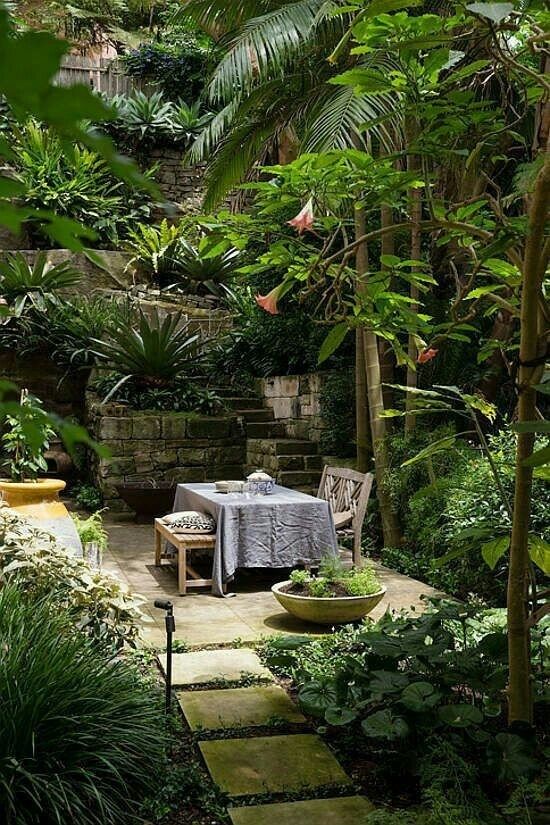
The good news is that many plants with dramatic leaves evolved in cool mountain forests, damp woodland margins, or exposed temperate regions. They can handle British rain and, once established, often tolerate freezing conditions far better than delicate tropical plants. With palms rising above broad-leaved perennials, ferns filling the middle layer, and hostas spreading across the ground, even a small courtyard can become a dense foliage tapestry that feels private, immersive, and wonderfully exotic.
The Stalwarts of the Sub-Zero Canopy
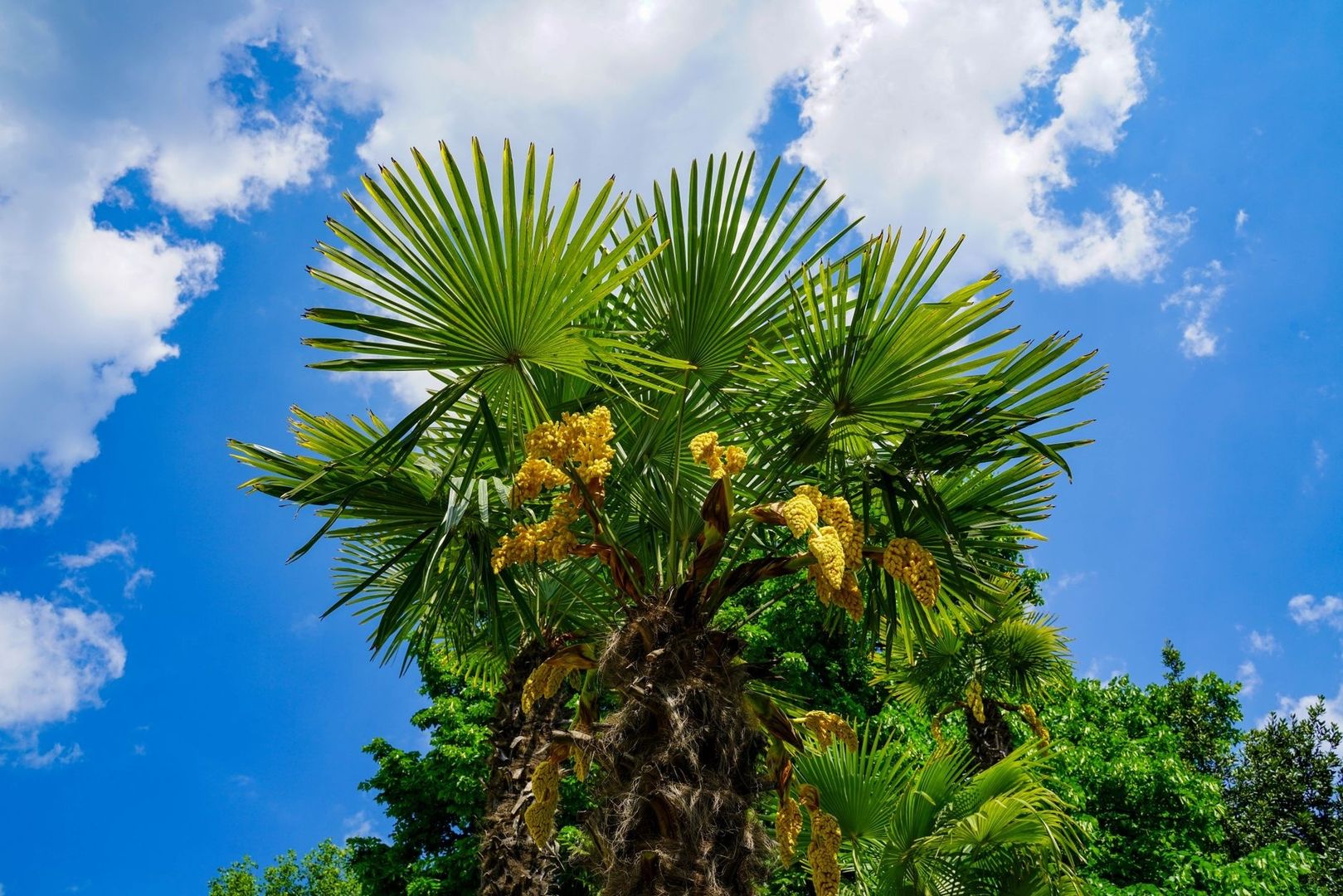
Every successful jungle-style garden needs a few strong structural plants to create height and rhythm. Trachycarpus fortunei, commonly called the Chusan palm, windmill palm, or Nepalese fan palm, is one of the most reliable choices for UK gardeners. Its dark green, fan-shaped leaves create an instant holiday atmosphere, while the fibrous trunk adds texture even when surrounding perennials have died back. The RHS describes it as the palm most widely grown in the UK, although hardiness depends on age, exposure, drainage, and the severity of the winter.
Established specimens are often reported as tolerating temperatures close to minus fifteen degrees Celsius in favourable conditions, but that figure should never be treated as a guarantee. Young palms and container-grown plants are more vulnerable, and cold winds can shred their foliage even when the roots remain safe. Plant the palm in fertile, moist but well-drained soil, ideally in full sun or dappled shade with shelter from prevailing winds. Allow plenty of room before planting because a palm that looks modest at the garden centre can eventually become a substantial permanent feature.
For a more prehistoric mood, add a hardy tree fern such as Dicksonia antarctica. Its broad, arching fronds and shaggy trunk bring the unmistakable character of an ancient forest. Unlike a palm, the trunk of a tree fern benefits from consistent moisture, particularly during dry spells in summer. Watering the trunk and crown can help maintain healthy fronds, while a sheltered position reduces wind damage. It is hardy in many parts of the UK, but prolonged severe frost can still damage the growing point, so a light winter covering may be sensible in colder or exposed gardens.
- Use Trachycarpus fortunei for height, evergreen structure, and a strong tropical silhouette.
- Use Dicksonia antarctica for prehistoric texture, arching fronds, and a woodland-jungle atmosphere.
- Plant canopy species where walls, fences, hedges, or nearby trees can reduce wind exposure.
- Remember that mature canopy plants create shade and shelter, improving conditions for more delicate plants beneath them.
A canopy does more than provide decoration. Tall palms and tree ferns slow the wind, reduce temperature swings, and create pockets of calmer air around the planting bed. This microclimate can protect lower-growing hostas, ferns, and evergreen perennials from drying winds and sudden frost. The effect becomes more noticeable as the garden matures, which is why structural planting should be installed early rather than treated as a finishing touch.
Layering Massive Foliage for Depth and Drama
Once the canopy is in place, build the middle and lower layers with plants that make the garden feel full from ground level upward. Giant hostas such as “Empress Wu” and “Sum and Substance” are excellent for this job. Their enormous leaves create broad pools of colour beneath palms and tree ferns, especially in partial shade where many sun-loving plants would struggle. Blue-leaved hostas look particularly effective in lighter shade, while golden or yellow-green cultivars can handle more morning or filtered sunlight.
Hostas are fully hardy perennials, but their new spring shoots can be damaged by late frost. This is rarely a long-term disaster because established plants normally produce fresh growth once temperatures rise. Moisture is important, especially during the first summer, and good drainage is equally essential in containers or heavy soil. Slugs and snails are the main nuisance, so thicker-leaved varieties, raised containers, gravel barriers, and regular checks can all help reduce damage without turning maintenance into a daily battle.
Ferns provide the softer, finely divided textures that stop large hosta leaves from looking too uniform. Matteuccia struthiopteris, the ostrich fern, forms tall, vase-shaped fronds and works well toward the back of a border. Dryopteris erythrosora, the autumn fern, is more compact and valuable for its evergreen or semi-evergreen presence and coppery new growth. Hardy ferns generally prefer cool, moist, organically enriched soil and bright shade, although established plants can adapt to a range of conditions if their basic needs are met.
| Plant | Leaf character | Preferred soil and light | Cold tolerance |
|---|---|---|---|
| Hosta “Empress Wu” | Very large, strongly ribbed leaves | Moist, fertile soil and partial shade | Fully hardy, but young spring shoots need frost awareness |
| Hosta “Sum and Substance” | Large golden-green leaves with bold presence | Moist soil, partial shade to gentle morning sun | Fully hardy in UK gardens |
| Matteuccia struthiopteris | Tall, upright, finely divided fronds | Moist, humus-rich soil and shade | Hardy perennial once established |
| Dryopteris erythrosora | Glossy fronds with coppery young growth | Organically enriched, well-drained soil and shade | Reliable hardy fern in sheltered gardens |
Arrange these plants in repeating groups rather than scattering one of everything. A palm can be framed by several hostas, while a sweep of autumn ferns can lead the eye toward an ostrich fern or tree fern behind. Repetition makes the planting look intentional, and contrasts in leaf size create depth even in a narrow border. Include evergreen foliage where possible, then allow deciduous hostas and fern fronds to remain as winter texture instead of clearing everything too quickly.
Smart Microclimates and Drainage Strategies
Cold air is not always the main reason exotic-looking plants fail. In many UK gardens, the bigger threat is saturated soil around the roots during winter. When heavy clay stays wet for weeks, roots cannot breathe and may rot before the worst frost arrives. A plant that could tolerate a sharp overnight freeze may struggle more with cold, waterlogged ground. That is why drainage should be considered part of the planting design, not an afterthought.
Before planting, inspect the soil after heavy rain. If water remains on the surface, dig a test hole and check whether it drains within a reasonable period. Incorporate generous organic matter into compacted soil, but avoid creating a rich pocket surrounded by dense clay, as this can sometimes collect water like a bowl. For palms and other plants that dislike winter wet, raising the planting area into a broad mound or gently sloping bed is often more effective than simply adding compost to a deep hole.
- Mark the planting area and remove perennial weeds, debris, and compacted surface material.
- Break up the soil deeply without smearing wet clay into smooth, sealed layers.
- Mix in mature garden compost, leaf mould, or well-rotted organic matter to improve structure.
- Create a raised mound or gently elevated bed for palms and other drainage-sensitive plants.
- Check that water can move away from the bed, especially beside paving, walls, and foundations.
- Finish with an organic mulch, keeping it slightly away from palm trunks and plant crowns.
Urban gardens often have useful shelter already built into them. A south-facing brick wall stores warmth during the day and releases it slowly at night. Boundary fences reduce wind, while raised beds improve drainage and lift foliage above cold pockets at ground level. Courtyards can be particularly effective because surrounding buildings create a sheltered pocket, although reflected heat and limited rainfall mean that summer watering may be necessary.
Use these conditions carefully. A sheltered wall is ideal for a palm, but a narrow passage between buildings may become too dry for hostas unless irrigation is available. Similarly, raised beds drain well but can dry out faster in summer. The best jungle gardens combine several microclimates, placing drought-tolerant structural plants in brighter areas and moisture-loving ferns and hostas where shade and organic soil provide a more woodland-like environment.
Seasonal Care Without the Stress
A frost-proof jungle garden does not mean ignoring plants completely, but it should not require a winter of bubble wrap and daily checking either. Mature hardy plants usually need only simple, targeted care. For a Trachycarpus palm, tie or gather the leaves loosely during a forecast of severe wind or frost, and use breathable hessian or fleece only when conditions demand it. Avoid sealing foliage in plastic, which can trap moisture and encourage rot.
Natural mulch is one of the most useful forms of protection. A layer of leaf mould, composted bark, or straw around the root zone insulates the soil and reduces rapid temperature changes. Spent leaves and fern fronds can also be left in place where they do not smother crowns or create pest problems. They gradually break down, feeding soil life and protecting roots while giving the border a natural woodland appearance through the coldest months.
- Apply mulch in late autumn after the soil has cooled but before repeated hard frosts.
- Keep mulch clear of palm trunks and the central growing points of sensitive plants.
- Protect containers more carefully because their roots are exposed on every side.
- Remove only damaged or completely dead palm fronds, and avoid cutting into the central spear.
- Check plants after storms, ensuring crowns remain open and free from trapped wet debris.
Spring is the moment when the jungle garden begins to show its reward. Remove winter coverings as severe frost risk fades, but do it gradually if cold nights are still forecast. Clear away slimy debris, inspect new shoots for damage, and refresh the mulch with a thin layer of compost. Water newly emerging plants if spring is unusually dry, since fresh foliage needs steady moisture to expand quickly. Hostas can be divided in spring if clumps have become crowded, while ferns are best left undisturbed until they are actively growing.
Step Outside and Enjoy Your Permanent Rainforest Oasis
The most convincing UK jungle gardens are not built from fragile plants that require constant rescue. They grow from resilient structural choices: a hardy palm for height, a tree fern or large-leaved perennial for drama, and layers of hostas and ferns to create a cool, enveloping understorey. When these plants are matched to the right light and soil, the garden remains visually rich through every season, even when individual leaves retreat for winter.
Start with one dependable anchor this coming season, then build outward with groups of foliage plants rather than trying to fill every space at once. Improve drainage, use nearby walls and fences to create shelter, and protect only what genuinely needs help during exceptional weather. With sensible plant selection instead of greenhouse heating, a small UK garden can become a deeply relaxing rainforest oasis, ready to enjoy whenever the door opens.